
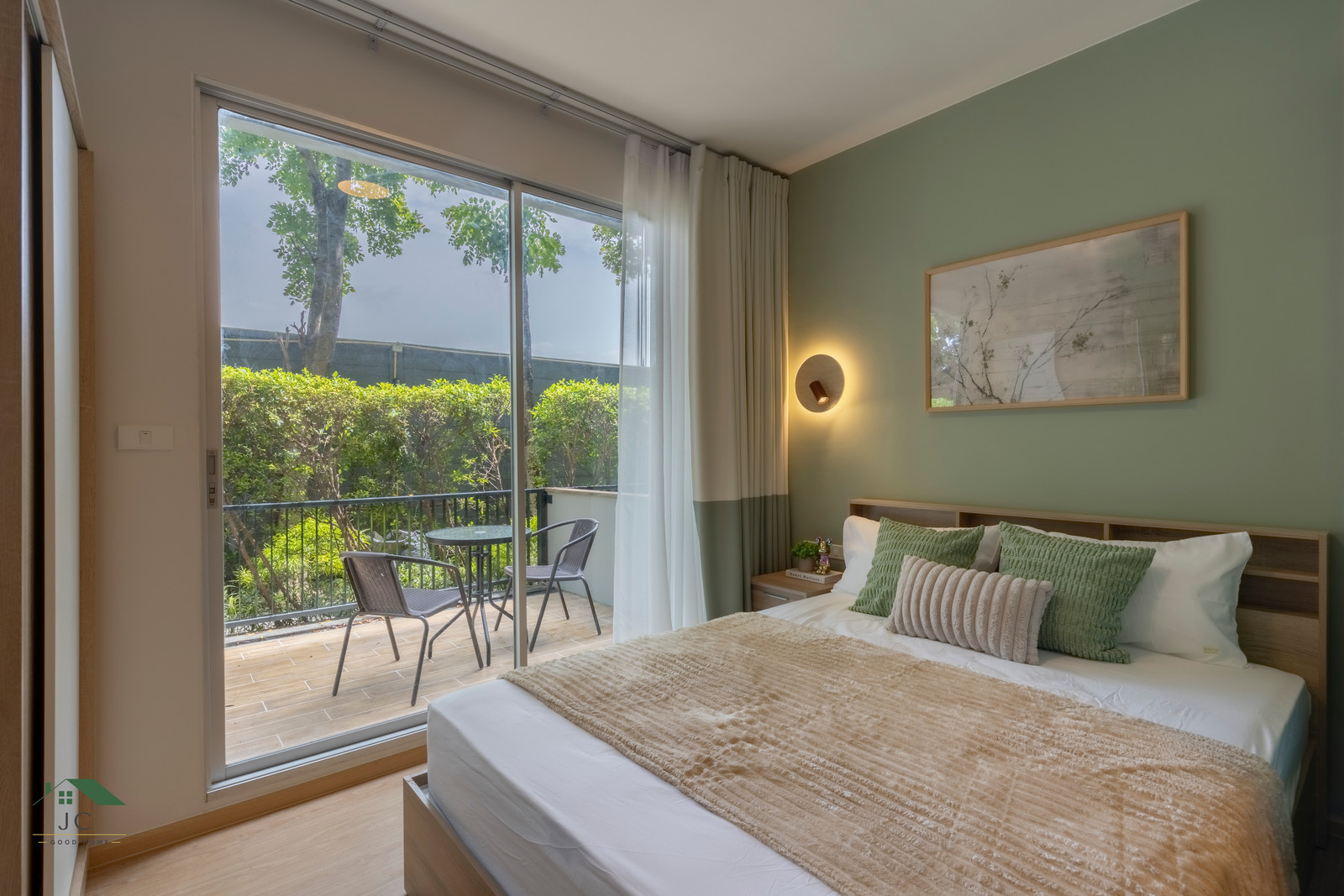


Key Takeaways
Preparing renovated spaces for move-in requires more than simply bringing in boxes and furniture. Prioritizing utility connections, cleaning supplies, and essential furniture helps create a smooth and comfortable transition into the newly renovated home.
A well-organized move-in process can save time and reduce stress. Unpacking room-by-room, labeling boxes clearly, and creating a dedicated moving station can make the transition more efficient.
Safety should always come first when moving into a renovated space. Inspecting wiring, plumbing, flooring, furniture, and possible chemical exposure helps identify potential hazards before the space is fully occupied.
A thoughtful unpacking strategy improves both comfort and functionality. Starting with essential rooms, creating practical furniture layouts, and adding personal touches can quickly make a renovated space feel like home.
Furniture placement also has a major impact on how a renovated room functions. Conversation-friendly arrangements, task-oriented zones, and smart use of vertical space can improve everyday usability.
For smaller renovated areas, space-saving solutions such as multi-purpose furniture, reflective surfaces, and light color schemes can make rooms feel more open and functional.
Finally, establishing routines and organization systems helps residents adjust to their renovated surroundings and create a stronger sense of comfort and belonging.
Mastering the Move-In Checklist: What to Prioritize First
Essential Items for a Smooth Transition
Moving into a newly renovated space becomes much easier when the most important tasks and belongings are handled first. A practical move-in checklist helps ensure that the home is ready for everyday living from the moment you arrive.
Before unpacking everything, focus on these essentials:
- Utility Connections: Confirm that electricity, water, gas, and other necessary utilities are active before moving in. This prevents unnecessary delays and ensures the home is immediately functional.
- Cleaning Supplies: Keep basic cleaning supplies available so surfaces, floors, cabinets, and other areas can be cleaned before furniture and belongings are fully arranged.
- Basic Furniture: Prioritize furniture needed for sleeping, eating, and relaxing. A bed, table, seating, and other essential pieces can provide immediate comfort while the rest of the home is being organized.
Taking care of these priorities creates a strong foundation for the rest of the move-in process. Instead of trying to unpack everything at once, homeowners can concentrate on making the renovated space clean, functional, and ready for daily use.
Time-Saving Strategies for an Efficient Move
Efficiency is important when preparing renovated spaces for move-in. Without a plan, unpacking can quickly become overwhelming. Simple organization strategies can make the process more manageable.
Here are several practical approaches:
- Room-by-Room Unpacking: Focus on one room at a time instead of opening every box throughout the home. This keeps the process organized and makes it easier to see progress.
- Label Everything: Clearly label boxes according to their contents and destination. This allows movers and family members to place belongings in the correct rooms immediately.
- Set Up a Moving Station: Designate one area for important moving supplies such as tape, scissors, labels, cleaning products, and basic tools.
These strategies reduce confusion and help homeowners transition into their renovated space without unnecessary disruption. Friends and family can also help with specific tasks, making the move-in process faster and more organized.
Creating a Safe and Welcoming Environment: Steps to Follow
Top Safety Protocols for Newly Renovated Spaces
Safety inspections are an essential part of preparing a renovated home for move-in. Even when renovation work appears complete, homeowners should take time to inspect key areas before unpacking and arranging furniture.
Pay particular attention to:
- Loose Floorboards: Check floors for loose or uneven sections that could create tripping hazards.
- Unstable Furniture: Secure heavy furniture, shelving, and other large pieces to reduce the risk of tipping.
- Wiring and Plumbing: Make sure electrical fixtures, outlets, water connections, and plumbing systems are functioning properly.
- Exposure to Chemicals: If paints, adhesives, or other renovation materials were recently used, ensure that the space is properly ventilated before spending extended periods inside.
These inspections can help identify potential problems before they interfere with everyday living. Taking a few extra minutes to check the renovated space can contribute to a safer and more comfortable move-in experience.
How to Unpack for Maximum Comfort and Functionality
Unpacking does not have to happen all at once. A methodical approach allows homeowners to establish functional spaces while gradually completing the rest of the home.
Consider the following:
- Prioritizing Comfort: Begin with essential areas such as the bedroom so you have a comfortable place to rest after a busy moving day.
- Functional Layouts: Arrange furniture according to how each room will be used. Leave enough space for movement and ensure commonly used items are easy to access.
- Incorporating Personal Touches: Add artwork, photographs, decorative items, and other meaningful belongings to make the renovated space feel familiar.
A focus on comfort and functionality helps transform a newly renovated property from an empty space into a practical home. The goal is not simply to unpack quickly but to create an environment that works well for everyday life.
Designing Functional Spaces: Tips for Furniture Placement
Optimal Layouts for Different Room Configurations
Furniture placement can determine how effectively a renovated space is used. Even attractive renovations can feel uncomfortable if furniture blocks pathways or does not support the way residents use each room.
Several layouts can improve functionality:
- Circular Arrangements: Positioning seating around a central area can encourage conversation and make living rooms feel more welcoming.
- Task-Based Zones: In kitchens and other busy areas, separate spaces for cooking, eating, working, and socializing can improve workflow.
- Utilizing Vertical Space: Shelves, cabinets, and other vertical storage options can help reduce clutter without taking up valuable floor space.
Small changes in furniture placement can make a significant difference in how a renovated room feels and functions. Before permanently positioning large pieces, consider the room’s purpose, traffic flow, and available space.
Making the Most of Small Spaces: Smart Design Choices
Smaller renovated spaces require careful planning to make the most of every available area. Fortunately, practical design choices can help create a room that feels comfortable without appearing crowded.
Consider these strategies:
- Multi-Purpose Furniture: Sofa beds, storage ottomans, and other dual-purpose pieces provide functionality while reducing the amount of furniture needed.
- Reflective Surfaces: Mirrors and other reflective surfaces can help distribute light and create the visual impression of a larger room.
- Color Schemes: Light colors on walls and furniture can make compact spaces feel brighter, more open, and less confined.
These choices allow homeowners to maximize renovated spaces without sacrificing comfort or style. Working with the available space rather than against it can make even smaller rooms highly functional.
Settling In: Establishing a Routine in Your New Home
Creating a Daily Schedule that Works
Once the major unpacking tasks are complete, homeowners can begin establishing routines in their renovated surroundings. A consistent schedule can make the transition feel more natural and help the new space become part of everyday life.
Consider incorporating:
- Morning Rituals: Consistent morning habits can create structure and help residents start each day comfortably.
- End-of-Day Wind Down: Evening routines can help establish a relaxing atmosphere and signal the transition from work or daily activities to rest.
- Incorporate Movement: Setting aside time for regular physical activity can help maintain a balanced daily schedule.
Establishing familiar routines can make a renovated home feel less unfamiliar. Over time, daily habits help residents become more comfortable with the layout and functionality of their new surroundings.
Integrating the New Space into Your Lifestyle
The final stage of preparing renovated spaces for move-in is making sure the home supports the way residents actually live. A renovated space should not only look finished but also function according to everyday needs.
This may include:
- Adjusting Systems: Establish practical organization systems for mail, keys, documents, cleaning supplies, and other frequently used items.
- Personalizing Spaces: Add decorations, artwork, photographs, scents, and other elements that reflect individual preferences.
- Inviting Friends: Sharing the newly renovated space with friends and family can help create positive experiences and a stronger sense of belonging.
preparing renovated spaces for move-in isn’t just about moving boxes. It’s about creating a clean, safe, comfortable, and functional home that is ready for everyday life.
By following these practical strategies, homeowners can make the transition into a renovated space more organized and less stressful. From completing safety checks and preparing essential items to arranging furniture and establishing routines, each step contributes to a smoother move-in experience.
FAQ
What specific safety checks should be performed before unpacking?
Inspect wiring, plumbing, flooring, and other recently renovated areas to make sure everything is functioning properly. Check for loose floorboards, unstable furniture, and other potential hazards before fully occupying the space.
How can individuals make their new space feel welcoming immediately?
Start by arranging essential furniture for comfort and functionality. Adding artwork, photographs, plants, or other meaningful personal items can also make the renovated space feel familiar and inviting.
What role does color choice play in small spaces?
Light color schemes can make smaller areas appear brighter and more spacious. They can also help reflect available light and create a more open visual environment.
How can daily routines improve the transition to a new home?
Consistent morning and evening routines can create structure while residents adjust to their renovated surroundings. Familiar habits can make the new space feel more comfortable and established.
What are some effective ways to personalize a renovated space?
Add decorations and personal belongings that reflect individual tastes. Creating organization systems for everyday items and inviting friends or family into the space can also help make the home feel more personal.
How can one effectively utilize vertical space in a small area?
Use shelves, cabinets, wall-mounted storage, and other vertical solutions to reduce clutter while preserving floor space. This allows smaller rooms to remain functional and organized.
What are some recommended practices for unpacking to enhance comfort?
Start with rooms that are immediately important for daily living, particularly the bedroom and kitchen. Arrange essential belongings where they are easy to access before moving on to less urgent boxes.
Which furniture types are most useful for smaller spaces?
Multi-purpose furniture such as sofa beds, storage ottomans, and pieces with built-in storage can be particularly useful. They provide practical functions while helping maximize limited floor space.
Useful Resources
- AARP – Home and Community Resources
- BuildingGreen – Sustainable Building Tips
- Consumer Reports – Home Safety and Product Ratings
- Houzz – Interior Design and Home Renovation Ideas
- NAIOP – Commercial Real Estate Development Association
- Apartment Therapy – Home Improvement and Organization
- com – Real Estate and Home Buying Resources
- gov – Government Resources for Homeowners
- Energy Star – Energy Efficiency Tips for Homeowners


