



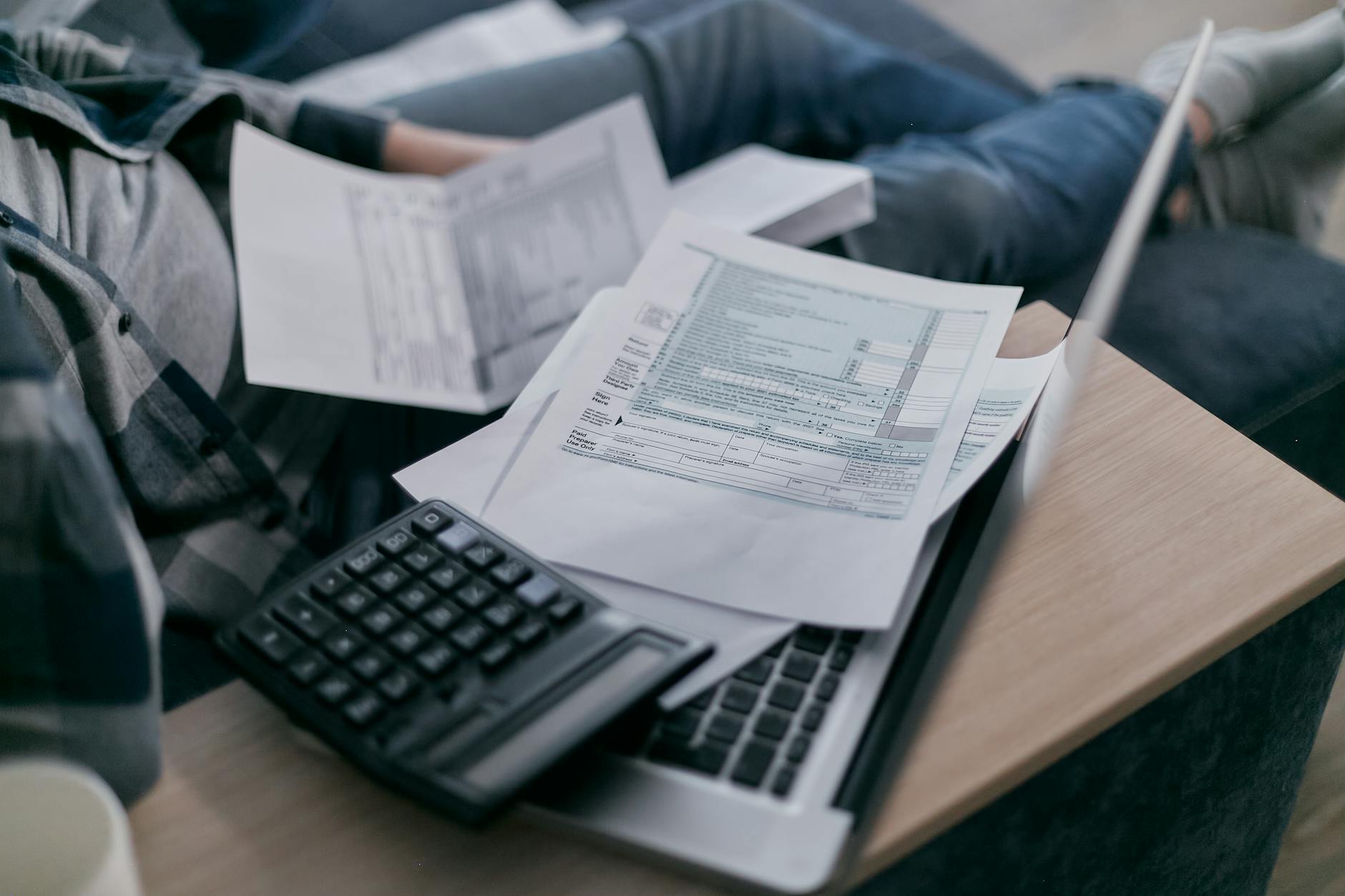
Self Assessment is the system HMRC uses to collect Income Tax and National Insurance from people whose income is not fully taxed at source, such as sole traders and other small business owners. If you run a business on your own in Medway, understanding how Self Assessment works is essential to staying compliant and avoiding unexpected tax bills.
Self Assessment for small business owners
Self Assessment is an annual tax return where you report all of your taxable income and claim any allowable expenses for the tax year from 6 April to 5 April. It applies to people who are self‑employed as sole traders, partners in a partnership, landlords, company directors with untaxed income, or anyone with significant income that is not fully covered by PAYE. If you are a small business owner, you use the return to show both your business profits and any other income, such as employment, rental or investment income.
If your trading income as a sole trader goes over the basic allowance for casual income, you normally need to register for Self Assessment and file a return. Even if you already have a job and pay tax through PAYE, you must still complete a Self Assessment tax return if your self‑employment income is above the threshold. Ignoring this obligation can lead to penalties, interest and unnecessary stress, so it is important to check your position early and keep HMRC updated.
What Self Assessment means for sole traders
When you operate as a sole trader, you and your business are legally the same person, which means you pay tax on your business profits as part of your personal tax return. You need to keep records of your income, such as invoices and sales summaries, as well as all business‑related costs that you intend to claim as expenses. At the end of the tax year you complete the Self Assessment return, including the self‑employment pages, to show your total turnover, allowable expenses and resulting profit.
HMRC then uses this information to work out how much Income Tax and National Insurance you owe. Your profit is added to any other income you have in the year, your personal allowance is applied and the appropriate tax bands are used. You are responsible for checking the calculation, making sure it looks reasonable and paying the tax by the deadline. For many sole traders, learning the basics once and setting up a simple system for records is enough to make this process manageable each year.
Key deadlines and what happens if you miss them
The UK tax year runs from 6 April to 5 April, and Self Assessment follows a clear timetable. If you are new to self‑employment, you usually need to register with HMRC by 5 October following the end of the tax year in which you started trading. The deadline for filing an online tax return and paying any tax due is normally 31 January after the end of the tax year.
If you miss the filing deadline, HMRC can charge an automatic fixed penalty, which increases the longer the return remains outstanding. Further penalties and interest can also apply if you pay your tax late. For sole traders who are required to make payments on account, there can be an additional payment due on 31 July. Planning ahead, putting money aside for tax and not leaving the return to the last minute are simple ways to avoid these charges.
Allowable expenses and why good records matter
One of the main advantages of understanding Self Assessment is being able to claim all the business expenses you are entitled to. Allowable expenses typically include costs that are wholly and exclusively for your trade, such as materials, stock, tools, business insurance, professional fees, advertising, a share of home‑working costs, travel for business and part of your phone and internet if used for work. Claiming these correctly reduces your taxable profit and therefore the tax you pay.
To claim confidently, you must keep clear and accurate records throughout the year. This usually means saving invoices, receipts and bank statements, and keeping a simple summary of income and expenses. Good records make it easier to complete your return, reduce the risk of errors and help you respond quickly if HMRC asks questions. They also give you a better picture of how your business is performing, which is useful when planning for growth or considering finance.
Future direction: digital records and more frequent reporting
The Self Assessment system is gradually moving towards more digital reporting, especially for those with higher levels of self‑employment and property income. In the coming years, more sole traders will be expected to keep digital records and send more frequent updates to HMRC using compatible software, rather than relying solely on one annual return. For many small businesses, this will feel like a big change, but it also offers the chance to improve bookkeeping and get a clearer view of cash flow.
Preparing early for this shift will make life easier later. Choosing simple digital tools, getting into the habit of recording income and expenses regularly and asking for help when needed can all help you adapt. If you already work with an accountant medway‑based, they can guide you through which software to use and how to structure your records so that you are ready when the rules fully apply to your level of income.
How an accountant in Medway can support you
Handling Self Assessment as a busy sole trader can be time‑consuming and confusing, especially if you are new to the UK tax system or your situation is more complex. A local accountant in Medway can take care of the technical side, from registering you for Self Assessment to preparing and filing your tax return. They can check that your income is complete, make sure all allowable expenses are claimed and explain your tax position in plain English.
Working with an accountant medway‑based also gives you access to year‑round advice, not just help at deadline time. This might include guidance on how much to put aside for tax and National Insurance, whether it is worth registering for VAT, when it could be beneficial to incorporate as a limited company and how to plan for future changes to the tax system. For many small business owners, that support brings peace of mind and lets them focus on serving their customers instead of worrying about forms and deadlines.
Summary
For small UK entrepreneurs trading as sole traders, Self Assessment is a central part of running a business and cannot be ignored. Understanding the rules, keeping good records and filing on time will keep you compliant and help you avoid penalties. By combining basic tax knowledge with the support of an experienced accountant in Medway, you can manage Self Assessment efficiently and concentrate your energy on building and growing your business.


