


Discover why a home theater elevates your entertainment experience. Learn how to choose components and create the perfect cinematic escape right at home.
Key Takeaways:
- A home theater offers a personalized and immersive entertainment experience superior to traditional TV viewing.
- Careful planning of your space, including acoustics and lighting, is crucial for optimal performance.
- Selecting the right projector or TV, audio system, and content source forms the core of your setup.
- Considering professional installation can ensure your home theater performs at its best.
Why Invest in a Home Theater?
Have you ever wondered why people go through the effort of building a home theater? The answer is simple: it transforms your living room into a private, immersive entertainment sanctuary. Forget crowded cinemas with sticky floors and talking strangers. With a home theater, you control the comfort, the volume, and the guest list. It’s about bringing the magic of the big screen, the thrill of a live concert, or the intensity of a major sporting event directly into your home, but with a level of quality and customization that simply isn’t possible with a standard television setup.
The appeal goes beyond just watching movies. A well-designed home theater system enhances gaming, making you feel more deeply connected to virtual worlds. It elevates music listening, revealing nuances you might miss on less capable systems. And for sports fans, it’s the ultimate way to experience every play, every goal, and every victory with a sense of presence that rivals being at the stadium. In essence, a home theater isn’t just about watching content; it’s about experiencing it in a profound and engaging way, tailored precisely to your preferences.
What is a Home Theater?
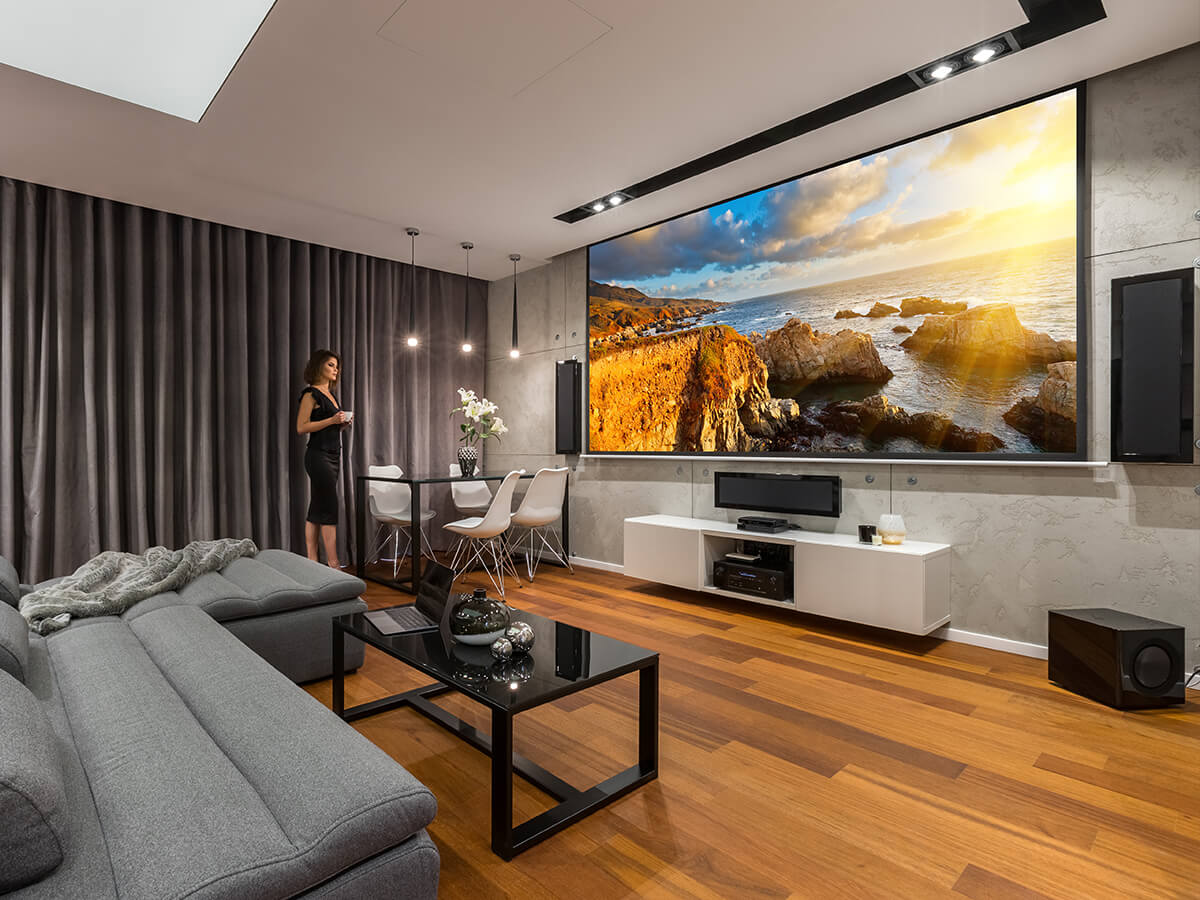
So, what exactly is a home theater? At its core, a home theater is a custom-designed entertainment system that aims to replicate the experience of a commercial movie theater within a residential setting. This typically involves a high-quality video display (like a large-screen television or a projector with a screen), a sophisticated audio system (often surround sound), and components for playing various forms of media. However, a true home theater goes beyond just these components. It encompasses the entire environment, including room acoustics, lighting, seating, and even interior design, all meticulously planned to create an optimal viewing and listening experience.
Unlike a simple TV and soundbar setup, a dedicated home theater often features multiple speakers strategically placed around the room to create an immersive soundscape, mirroring how sound is engineered in cinemas. Projectors can cast images onto screens much larger than even the biggest commercially available TVs, providing a truly cinematic scale. Furthermore, a home theater setup might include specialized seating designed for comfort during long viewing sessions, and lighting controls that can dim or brighten the room to enhance the visual experience. It’s about creating a dedicated space where every element contributes to a cohesive and captivating entertainment experience.
How to Plan Your Home Theater Space?
How do you effectively plan your home theater space? The journey to your ultimate entertainment hub begins with careful planning. Before you even think about buying equipment, consider the room itself. Is it a dedicated space, or will it serve multiple purposes? For optimal performance, a dedicated room offers the most flexibility for controlling light, sound, and seating arrangements. However, a multi-purpose living room can still be transformed into an impressive home theater with smart design choices.
Acoustics are paramount. Hard surfaces like bare walls and large windows can cause sound to bounce and create echoes, leading to a muddled audio experience. Consider incorporating sound-absorbing materials such as thick carpets, heavy curtains, and acoustic panels. Furniture, especially upholstered pieces, can also help dampen sound. Lighting control is another critical factor. You’ll want the ability to darken the room completely for movie viewing and also have flexible lighting for other activities. Blackout blinds or curtains are essential, and dimmable smart lighting can add convenience and ambiance. Finally, consider your seating arrangement. Ensure everyone has an unobstructed view of the screen and that the seating is comfortable for extended periods. This initial planning phase, though often overlooked, lays the groundwork for a truly exceptional home theater experience.
What Components Make a Great Home Theater?
When it comes to building a great home theater, what are the essential components? The heart of your home theater is undoubtedly the display. For many, this means a large 4K Ultra HD television, offering incredible detail and vibrant colors. However, for a truly cinematic experience, a projector and screen combination can deliver image sizes far beyond what any TV can offer. When choosing, consider factors like screen size relative to your viewing distance, brightness (lumens), and contrast ratio.
Next, and equally crucial, is the audio system. A surround sound setup, typically ranging from 5.1 to 7.2.4 (the numbers refer to channels, with the last digit indicating overhead speakers for Dolby Atmos or DTS:X), creates an immersive sound field that draws you into the action. This involves an AV receiver, which acts as the brain of your audio-visual system, processing sound and routing video signals. You’ll also need a set of speakers – front left and right, a center channel for dialogue, surround speakers for ambient effects, and at least one subwoofer for deep bass. Finally, don’t forget your content sources. This could include a 4K Blu-ray player, streaming devices like Apple TV or Roku, and even gaming consoles, all contributing to the vast array of entertainment possibilities your home theater can provide.
Where Can You Get Home Theater Expertise?
Where can you find the expertise to bring your dream home theater to life? While many enthusiasts enjoy the DIY aspect of building a home theater, seeking professional guidance can often lead to a superior and more seamless outcome. Professional integrators specialize in designing and installing custom audio-visual systems. They possess in-depth knowledge of acoustics, wiring, calibration, and the latest technologies. They can help you select the right components that work together harmoniously, optimize your room for sound and visuals, and even integrate smart home features for effortless control.
These experts can assist with everything from initial room design and acoustic treatments to precise speaker placement and video calibration, ensuring your system performs at its peak. Furthermore, they can often troubleshoot issues that might arise and provide ongoing support. While there’s certainly satisfaction in a do-it-yourself project, for those seeking the ultimate home theater experience without the headaches of complex technicalities, partnering with a reputable home automation or audio-visual specialist can be an invaluable investment, guaranteeing that your home theater not only looks good but sounds and performs exceptionally.

