



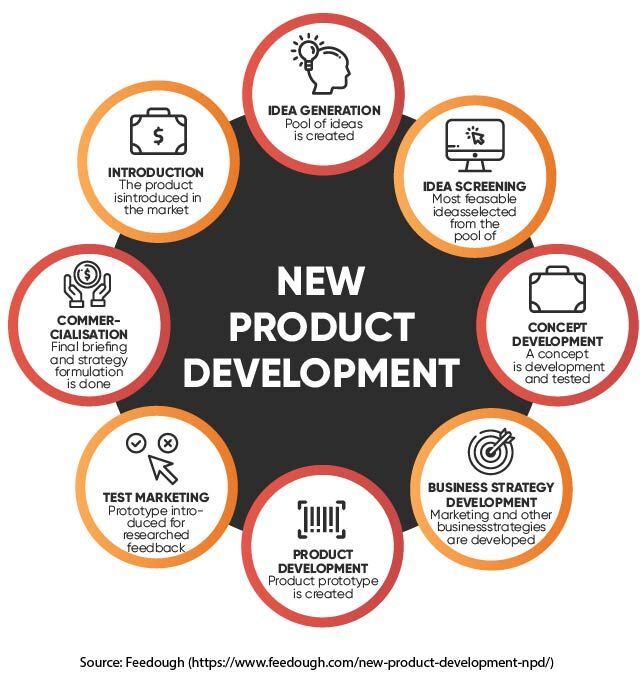
Bringing a new offering to the market is a critical juncture for any business. The initial steps taken can significantly influence its long-term viability and reception. A successful market introduction product is not merely about launching; it’s about executing a well-crafted strategy that resonates with the target audience and establishes a strong foundation for growth. It demands meticulous planning, deep customer understanding, and an adaptable approach to initial feedback.

Overview
- Thorough market research and precise audience segmentation are fundamental to tailoring your product and message.
- A clear value proposition and strategic product positioning differentiate your offering from competitors.
- Developing a detailed go-to-market strategy, including pricing and distribution, is essential before launch.
- Effective pre-launch activities like testing, marketing campaigns, and sales training build anticipation and readiness.
- Collecting and acting on post-launch feedback allows for rapid iteration and improvements.
- Building a strong internal team and securing necessary resources are crucial for sustained effort.
- Monitoring key performance indicators and adapting strategies based on real-world data ensures ongoing success.
Understanding Your Audience for a market introduction product
Before any product reaches the hands of customers, a profound understanding of who those customers are is paramount. This insight forms the bedrock of all subsequent decisions related to the market introduction product. Without a clear picture of the target audience’s needs, desires, and pain points, even the most innovative solution might falter.
Key aspects include:
- Market Research: Conduct extensive studies to identify the size, trends, and dynamics of your target market. This involves looking at existing solutions, understanding competitive landscapes, and identifying gaps. Primary research (surveys, interviews, focus groups) and secondary research (industry reports, demographic data) both play vital roles.
- Customer Segmentation: Divide your potential customers into distinct groups based on demographics, psychographics, behavior, and needs. This allows for tailored messaging and product features that speak directly to specific segments. For instance, a tech gadget aimed at young professionals in the US might have different features and marketing channels than one for an older demographic.
- Persona Development: Create detailed profiles of your ideal customers. These personas should go beyond basic demographics, including their motivations, challenges, daily routines, media consumption habits, and purchasing behaviors. This humanizes the target audience and helps the entire team empathize with their perspective.
- Problem Identification: Clearly define the specific problem your product solves for your target audience. A strong problem-solution fit is a powerful indicator of potential market acceptance. If your product doesn’t genuinely address a felt need, its introduction will likely struggle.
- Value Proposition: Based on the identified problem, articulate a compelling and concise statement that explains what unique benefits your product offers and why it is superior to existing alternatives. This is what will attract early adopters and define your product’s appeal.
Strategic Planning for a market introduction product
With a solid understanding of the audience, the next step involves crafting a robust strategic plan for your market introduction product. This phase maps out how the product will reach the market, how it will be perceived, and how its initial performance will be managed. Strategic planning minimizes risks and maximizes the chances of a strong debut.
Core components of this planning phase:
- Product Positioning: Decide how your product will be perceived in the minds of your target customers relative to competitors. This involves defining its unique selling points and crafting a narrative that highlights its distinct advantages. Effective positioning ensures clarity and avoids confusion in a crowded market.
- Pricing Strategy: Determine the optimal price point. This decision considers production costs, competitor pricing, perceived value by customers, and overall business objectives. Different models, such as premium pricing, penetration pricing, or value-based pricing, each have their merits depending on the product and market context.
- Distribution Channels: Identify the most effective ways to make your product available to customers. This could include direct sales, e-commerce platforms, retail partnerships, wholesalers, or a combination thereof. The chosen channels must align with customer preferences and product type.
- Go-to-Market Strategy: Develop a detailed plan outlining all activities required to launch the product successfully. This blueprint covers everything from marketing and sales initiatives to support structures and operational readiness. It ensures all teams are aligned and working towards common goals.
- Launch Objectives and KPIs: Establish clear, measurable goals for the launch, such as sales targets, market share percentages, customer acquisition costs, or brand awareness metrics. Defining Key Performance Indicators (KPIs) allows for objective measurement of success and provides data for future adjustments.
Effective Execution in market introduction product Phases
A brilliant strategy is only as good as its execution. The successful rollout of a market introduction product depends heavily on disciplined implementation across all operational fronts. This involves coordinating various teams, preparing all necessary assets, and ensuring a seamless experience for early customers.
Key execution steps:
- Pre-Launch Activities:
- Product Testing: Conduct rigorous internal and external testing (alpha and beta testing) to identify and fix bugs, refine features, and gather initial user feedback. This helps ensure product quality and user satisfaction.
- Marketing Campaign Development: Create compelling marketing materials, including advertising copy, social media content, press releases, and website updates. These should clearly communicate the value proposition and generate excitement.
- Sales Enablement: Train sales teams on product features, benefits, competitive advantages, and objection handling. Provide them with tools and resources to effectively pitch and sell the product.
- Customer Support Setup: Establish robust customer support channels, including FAQs, help documentation, and trained support staff, to assist new users and address any issues promptly.
- Launch Day Coordination: Ensure all systems are go. This means websites are live, distribution channels are operational, marketing campaigns are running, and customer support is ready. A well-orchestrated launch minimizes technical glitches and maximizes positive initial impressions.
- Public Relations and Media Outreach: Generate positive media coverage through targeted outreach to journalists, influencers, and industry analysts. A favorable media reception can significantly boost visibility and credibility for the market introduction product.
- Internal Communication: Keep all internal stakeholders informed and aligned. Regular updates and clear communication ensure that everyone understands their role and the overall progress of the launch.
Post-Launch Optimization for Your market introduction product
The work does not end once the market introduction product is live. The period immediately following the launch is crucial for collecting real-world data, understanding customer behavior, and making necessary adjustments. This iterative approach allows for continuous improvement and sustained growth.
Crucial activities post-launch:
- Feedback Collection and Analysis: Actively solicit feedback from customers through surveys, reviews, social media monitoring, and direct engagement. Analyze this data to identify common issues, popular features, and areas for improvement. This helps in understanding actual user experience versus anticipated behavior.
- Performance Monitoring: Continuously track the KPIs established during the planning phase. Monitor sales figures, website traffic, conversion rates, customer acquisition costs, churn rates, and customer satisfaction scores. Regular reporting helps in gauging the product’s performance against objectives.
- Iterative Product Development: Based on feedback and performance data, plan and implement product updates, bug fixes, and feature enhancements. This agile approach demonstrates responsiveness to customer needs and keeps the product relevant and competitive.
- Marketing and Sales Adjustments: Refine marketing messages, target audience segments, and sales tactics based on initial results. If certain channels or messages are performing better than others, reallocate resources accordingly.
- Scalability Planning: As the product gains traction, plan for scalability in terms of infrastructure, customer support, and manufacturing (if applicable). Ensuring the product can meet increasing demand without compromising quality is vital for long-term success.
- Competitive Analysis: Keep a close watch on competitor activities and market changes. This ongoing analysis helps in identifying new threats or opportunities and informs future product development and marketing strategies.


